Why the Trading Time Frame Is a Foundational Decision
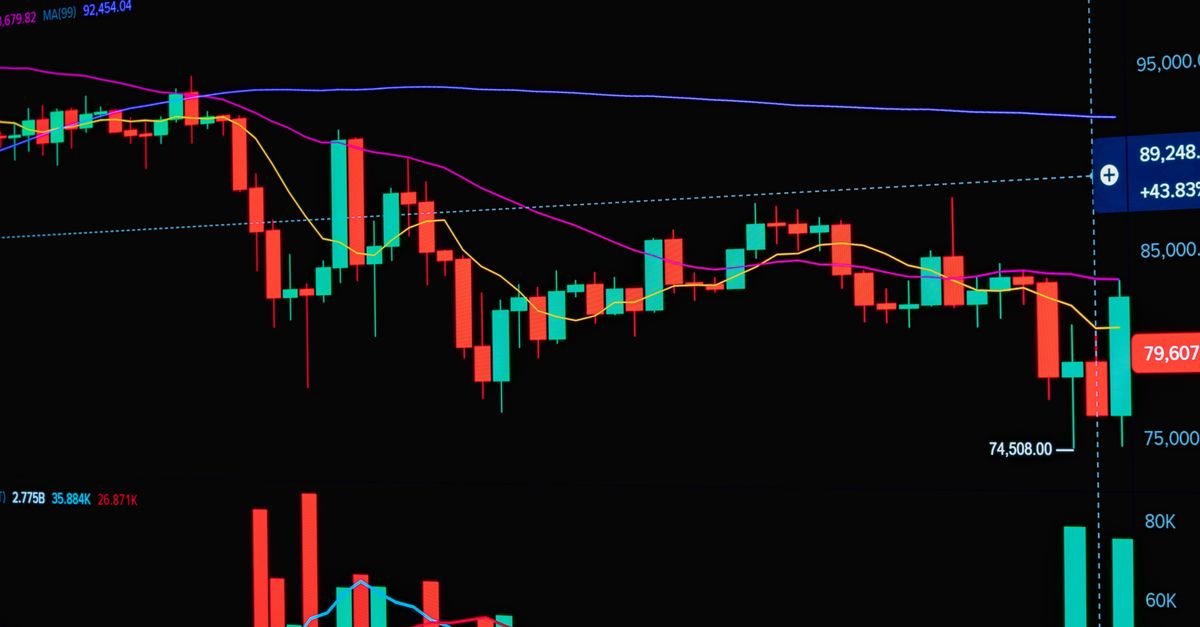
The trading time frame is the period over which a trader holds positions and makes decisions. It can range from seconds and minutes in scalping and day trading, to days and weeks in swing trading, to months and years in position or trend-following approaches. The source material begins with a clear instruction: before concluding that short-term trading suits you, recognize three core realities. First, profits per trade are limited. Second, trading costs are very high. Third, the psychological pressure from short-term trading can be overwhelming. These points are not minor details; they are structural features of the time frame. A time frame determines how often a trader acts, how much noise is encountered, how quickly feedback arrives, and how many times costs are paid. It also dictates the type of edge required. A short-term system may need a high win rate or excellent cost control, while a longer-term system may rely on capturing larger price movements. When a trader's time frame does not match their system, schedule, or temperament, execution tends to break down. For example, a person with limited screen time may struggle with a strategy that requires constant monitoring. Conversely, someone who finds slow feedback unbearable may abandon a long-term trend-following system before it has time to work. The time frame is therefore not a cosmetic choice. It is the architecture that connects analysis, execution, risk management, and psychology. The source material uses this foundation to warn that short-term trading is demanding, while also noting that it can produce high percentage returns for those whose psychology is in harmony with their system and who trade frequently. Understanding that tension is the first step.
The Profit Ceiling in Short-Term Trading
Short-term trading generally seeks to capture small price movements. Because the holding period is brief, the average profit per trade is naturally limited. A scalp might target a few ticks or a fraction of a percent; a day trade might aim for a small intraday range. The source material states this plainly: profits are limited. This does not mean total returns must be low, because frequent repetition can aggregate many small gains. However, it does mean that each individual trade has a relatively low ceiling. That ceiling changes the mathematics of success. If the average winner is small, the trader often needs a high win rate, a favorable risk-to-reward ratio, or both. Costs become a larger proportion of the gross gain. A strategy that looks profitable before costs may become unprofitable after commissions, spreads, and slippage. Another consequence is that short-term traders may exit before a larger move develops. They capture a slice of a trend rather than the full trend. This is a deliberate trade-off: they accept a smaller profit per trade in exchange for more frequent opportunities and less overnight exposure. The failure scenario appears when a trader expects large per-trade profits from a short-term framework. They may hold losers too long, hoping for a big reversal, or cut winners too early out of fear. Such behavior is often a mismatch between expectations and the time frame's actual profit structure. Common misuse also includes testing a short-term strategy without realistic cost assumptions. A backtest may show many small winners, but if each trade pays a spread and commission, the net result can disappear. The source material's warning about limited profits is therefore a reminder to examine the profit engine of any time frame, not just its entry signals.