The Market as a Chaotic Crowd Process
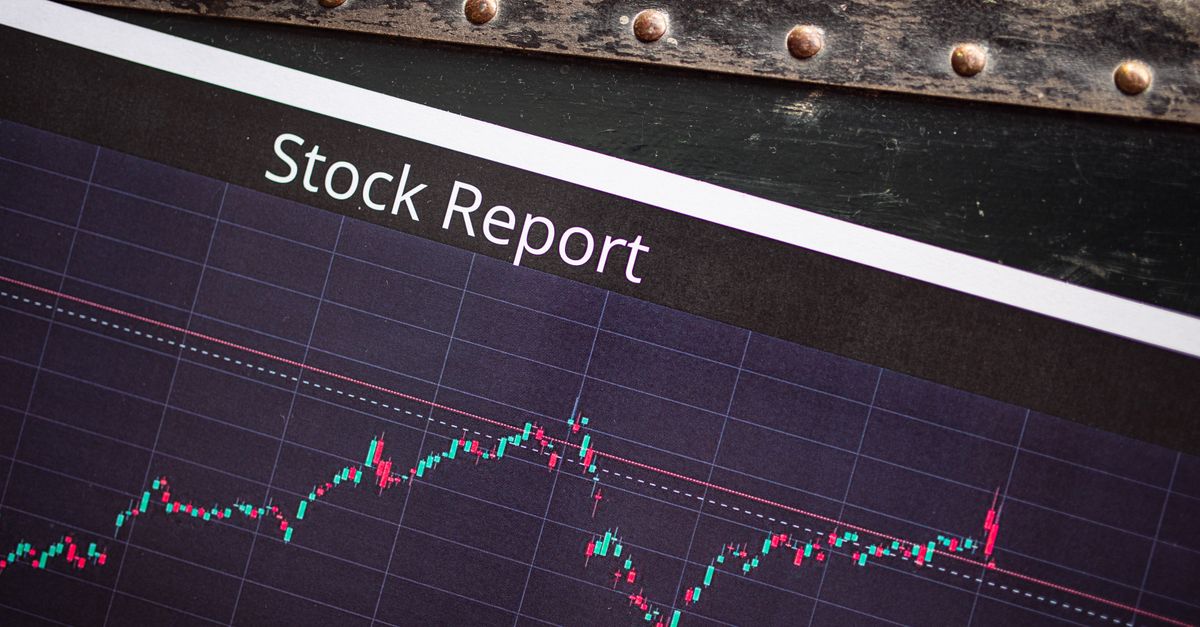
The starting assumption of a purely technical approach is that price is not something to be predicted with precision. Prices are the output of an enormous, continuously changing crowd: participants with different time horizons, information, capital, constraints and emotional states. Each order slightly alters the information available to everyone else, and those reactions feed back into the next wave of orders. The result is a system with feedback, leverage and sudden shifts in liquidity, in which small inputs can produce disproportionate and non-repeating outputs. This does not mean markets are random in the sense of a coin toss. Behavior under uncertainty repeats in broad patterns: trends appear and persist for a while, volatility clusters, ranges form and break, and fear and enthusiasm leave recognizable footprints on price. Technical tools such as moving averages, RSI or volatility bands describe those conditional tendencies. What they cannot do is reveal the specific path ahead. A reading can be directionally reasonable and still be useless if the timing, magnitude or sequence of moves differs from what was imagined. The practical consequence is that calling tops and bottoms accurately is not a repeatable skill for most participants. Even very large institutions, which can move price temporarily through the size of their orders, cannot control where price settles once the crowd responds. For the individual trader, the honest position is one of ignorance about the next move combined with partial knowledge about how price tends to behave under certain conditions. That asymmetry, meaning no reliable forecast but observable conditional behavior, is what makes a rule-based and reactive approach coherent. Accepting unpredictability is therefore not pessimism. It is the precondition for building a process that still functions when the trader is wrong, which will happen often.
Following Signals That Have Already Appeared
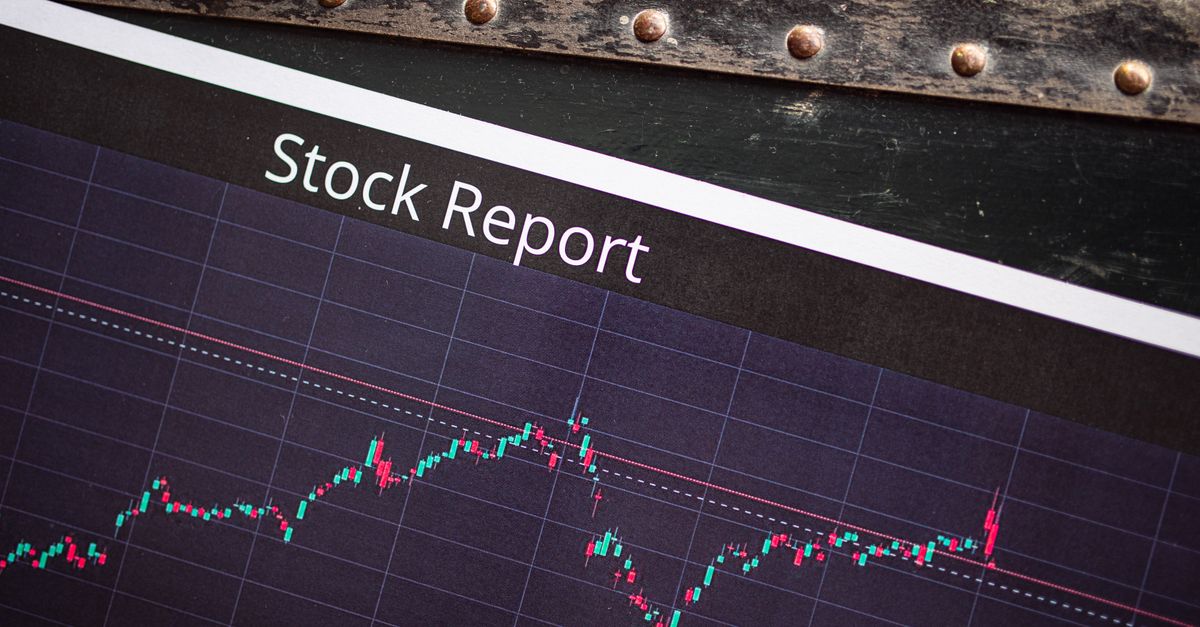
A technical signal is by definition a description of something that has already happened. A breakout above a well-tested range, a moving average crossover, an expansion of momentum, or an RSI reading that confirms rather than anticipates a move: all of these are reactions to realized price action. The trader who uses them accepts a trade-off. By waiting for confirmation, part of the move is given up, but the decision no longer depends on a guess about the future. The bet is structural rather than prophetic: the assumption is that trends and momentum persist often enough, and long enough, to pay for the trades that fail. That assumption has conditions, and it also has regimes where it breaks down. In a persistent sideways market, breakout systems generate a stream of small losses as price repeatedly crosses the trigger level and returns. Momentum entries bought at the top of a range can be punished immediately by mean reversion. Trend-following approaches can spend months flat or slightly negative while a range-bound market grinds on, which is not a malfunction but the normal cost of participating only when conditions favor the method. A trader who does not expect this phase will abandon the approach at exactly the wrong moment, usually just before a sustained move begins. Exits deserve the same rule-based treatment as entries. A trailing stop, a fixed target, a time-based exit or a volatility-based stop each produces a different distribution of outcomes, and mixing them randomly reintroduces the discretion the method was meant to remove. The word follow applies in two directions: following the market's realized signals, and following the rules that define how those signals are traded. It does not mean following headlines, other people's opinions or the urge to act when nothing has been triggered.