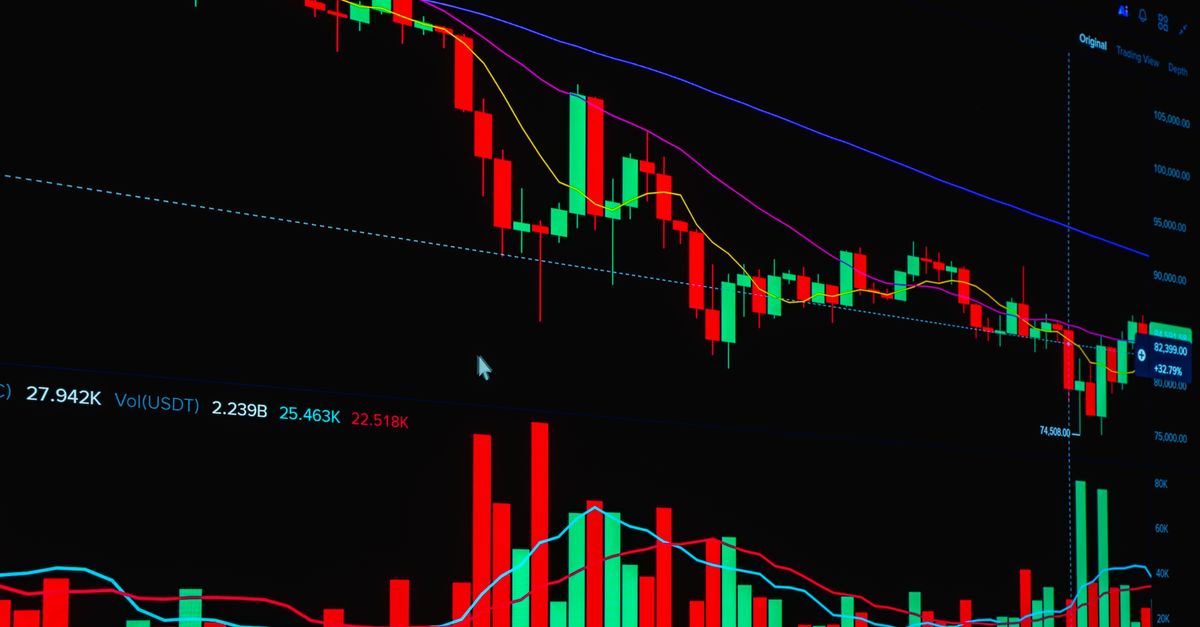
Why Exits Determine Profitability
Market exits are often treated as an afterthought in trading education. Most attention goes to entries: which pattern, indicator, or signal begins a position. Yet the reference note is direct: to profit, a trader must know when to hold, when to let go, when to walk away, and when to run away. These are four distinct exit decisions, and together they control the outcome of a trade. An entry creates potential. An exit converts that potential into a realized result. Until an exit occurs, profit or loss is only unrealized and can still change. The moment of exit decides two important variables: whether the trade produces a profit at all, and how much profit it produces. That is why exit logic is not secondary. It is one of the central pillars of a successful trading system. People often avoid thinking about exits because leaving a position feels like surrendering control. While inside a trade, a trader can still imagine the outcome, adjust expectations, and hope for a better result. After exiting, the market continues without them. This psychological friction explains why some traders postpone exit decisions, move stop-losses, or cancel profit targets. But the note suggests the opposite view: for those who want control, the exit is exactly where control operates. The market itself is not controllable, but the decision to close a position is. By defining exit rules in advance, a trader decides how much risk to accept, how much profit to pursue, and when a trade is no longer valid. A system without exit rules is incomplete. A strong entry signal with random exits can still produce poor results, because the same signal might be closed too early in a trend or held too long in a reversal. Conversely, a modest entry can become profitable when exit rules protect capital and let winners develop. Exits therefore deserve the same research, testing, and discipline as entries.
Knowing When to Hold: The Discipline of Letting a Position Breathe
Knowing when to hold is the first exit-related skill. Holding is not the same as doing nothing. It is an active decision to keep a position open because the conditions that justified the trade remain intact. In a trend-following approach, holding may mean allowing a position to remain open while a trailing stop, moving average, or volatility-based exit has not been triggered. The purpose is to let a small number of large winners develop, because many trend systems depend on a few outsized gains to offset frequent small losses. Exiting too early can truncate the right tail of the return distribution, making the system unprofitable even if entries are accurate. Holding rules usually describe what must remain true. Examples include price staying above a rising moving average, a trend channel not breaking, volatility staying within a normal range, or the original fundamental thesis not being invalidated. The key is that holding is conditional. If the condition changes, the reason to hold changes. A common failure mode is to confuse holding with hope. Hope appears when a position moves against the trader and the trader keeps it open without any planned reason. Planned holding appears when a position moves in the trader's favor but has not yet reached a pre-defined exit. The two feel similar in the moment, but they are opposites in process. Another misuse is to exit solely because an indicator looks extreme. For example, RSI may show an overbought reading during a strong trend, yet price can continue higher for an extended period. If the system's edge depends on trend continuation, an overbought signal alone may be a poor exit rule. This does not make RSI useless; it means the exit must match the logic of the strategy. Holding rules can be tested under different market conditions to see whether they preserve the trades that the entry logic was designed to capture.