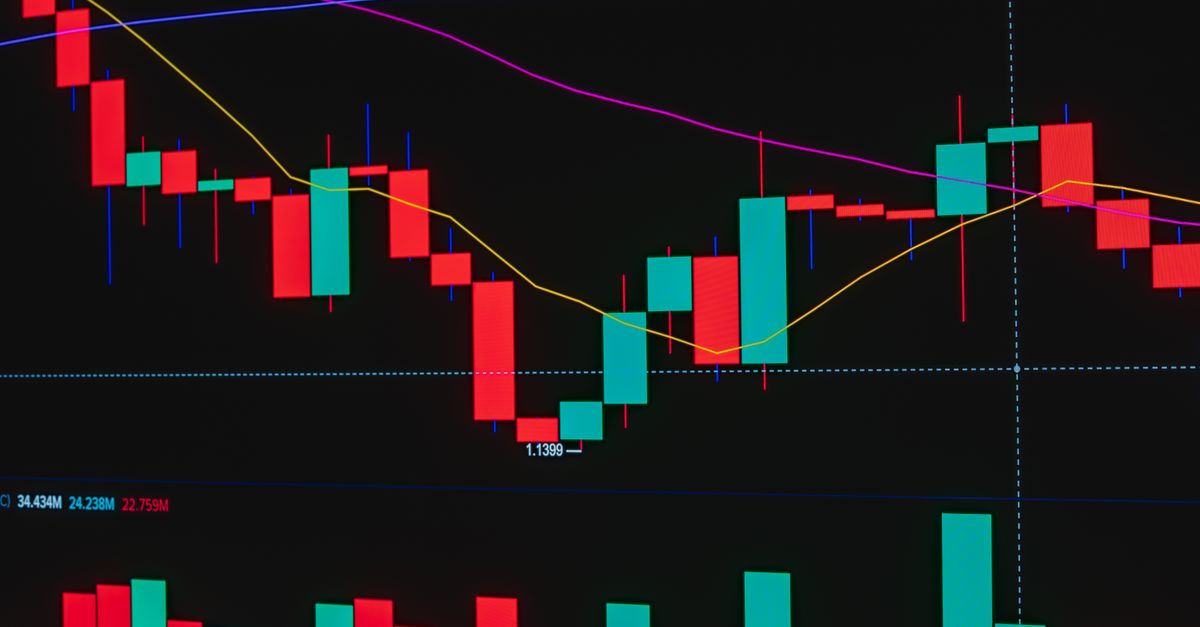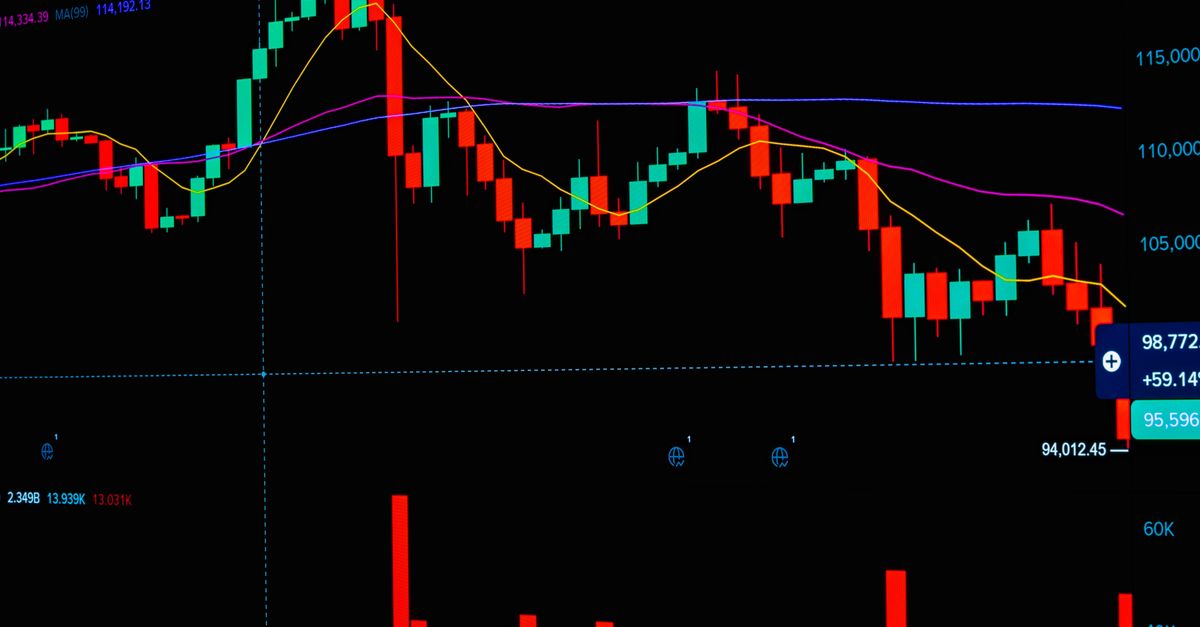
The Core Role of a Stop Price: Defining Initial Risk R
When a trader places a stop price in the market, the study notes describe two important functions. The first is to set the maximum loss the trader is willing to tolerate on that position. This planned loss is called the initial risk, or R. R is not an abstract label; it is the amount a trader expects to lose if the market must be exited to protect capital. If no R value is defined in advance for every position, the notes argue, the trader is gambling with money rather than operating with a defined risk plan. R can be expressed in currency terms, in points, or in per-share or per-contract terms, as long as it is known before the trade begins. The stop price is the tool that makes R concrete. For example, if a position is entered and a stop is placed at a level that would produce a 450 dollar loss per contract, then R is 450 dollars for that trade. After many trades, the average realized loss may be smaller than R. The notes suggest it might be around half of R, or 0.5R, depending on how the stop is executed. However, markets can gap or move violently, and a loss may reach 2R or even 3R. Such large losses are expected to be rare, but they remain part of the worst-case planning that R represents. The key idea is that R is the planned risk at the moment of entry, not an after-the-fact estimate. It gives the trader a fixed unit for comparing trades across different markets, contract sizes, and price levels. Without that unit, performance measurement becomes inconsistent and emotional.
How R Becomes the Foundation for R-Multiples and Expectancy
Once R is defined, profits and losses can be expressed as multiples of that initial risk. A gain of twice the planned risk is 2R; a loss equal to the planned risk is 1R. This is the R-multiple framework. The notes emphasize that a trader's main work can be framed as designing a plan that produces large R-multiple profits. A system does not need 10R or 20R on every trade to be effective. In the corn example, a 2,250 dollar profit on a 450 dollar risk is 5R, and a 4,500 dollar profit is 10R. A few such results can create tolerance for many smaller losses. Expectancy combines the frequency of wins and losses with their R-multiples. A system with many small losses and a few large winners can have positive expectancy, while a system with frequent small wins and rare large losses can have negative expectancy. The stop price sets the denominator for all these calculations. It also affects the reward-to-risk ratio considered before entry. If a trade risks 150 dollars to make 963 dollars, that is more than 6R before costs. After commissions and slippage, the ratios change. The notes illustrate that costs can reduce a 6R opportunity to about 5.35R. This does not make the trade bad; it shows that R-multiples must be calculated after realistic costs. The concept is important because it shifts attention from being right on every trade to managing the relationship between risk, reward, and frequency.