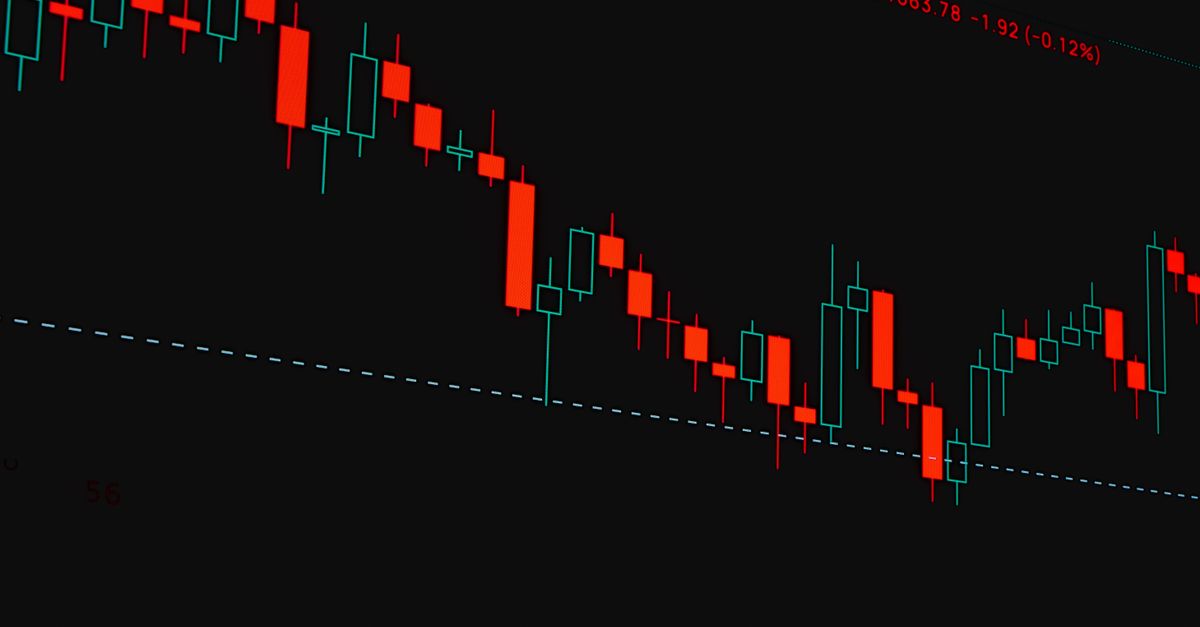
Introduction: Why a Structured Entry Process Matters
Entering a market is rarely a single decision. It is a sequence of judgments that, when organized well, can reduce impulsive actions and improve consistency. The five-step framework discussed here—system suitability, market selection, market direction, scheme conditions, and market timing—offers a logical order for evaluating whether a trade is worth considering. Each step acts as a filter. If a market does not pass one filter, the trader can move on rather than forcing a trade. This is particularly important because markets change. A method that works in a trending environment may fail in a sideways one. A market with deep liquidity may be suitable for large orders, while a thin market may cause slippage. The framework is not a prediction tool. It does not promise profits. Instead, it helps traders organize their thinking and avoid common errors, such as trading an illiquid stock, ignoring the dominant trend, or entering before any price confirmation. The steps are general and can be applied to stocks, futures, forex, options, and other speculative markets. Different trading styles—trend following, swing trading, day trading—will emphasize different steps, but the underlying logic remains similar. This article is based on study notes and is for educational purposes only. It does not recommend any specific market, system, or trade. Instead, it describes mechanisms, conditions, failure scenarios, and typical misuses so that readers can understand how a structured entry process is built.
Step 1: Matching Your System to Current Market Conditions
The first step is to determine whether current market conditions are suitable for a particular trading system. A trend-following system, for example, generally needs a market that is moving strongly in one direction. A mean-reversion or counter-trend system may need a market that is oscillating within a range. If conditions do not match the system, the trader either stands aside or switches to a system designed for the present environment. The source notes that if the answer is yes, you can proceed to the next steps; if no, you must look for another system that fits today's conditions. This implies that a trader may need more than one approach, or at least a clear understanding of when a method is likely to underperform. Common misuse occurs when a trader becomes attached to a favorite system and applies it in all environments. For instance, a breakout system may struggle in a low-volatility, choppy market, generating repeated false signals and commission costs. A counter-trend system may fail badly during a strong, sustained trend. Even a well-designed system will lose money in the wrong regime. Therefore, step one is not about predicting direction; it is about alignment. It asks a simple but powerful question: does the current market offer the conditions my method needs? This step also encourages patience. If conditions are unsuitable, the best action may be no action. The educational value is to separate system evaluation from trade evaluation. Before looking for a trade, evaluate the environment. This prevents the mistake of forcing a method into a hostile setting and then blaming the method for losses.