What Fundamental Analysis Means in Futures Trading
Fundamental analysis in futures trading is the practice of using actual and/or expected supply and demand conditions to forecast the direction and extent of price changes. While more precise definitions exist, this brief overview is enough to understand its benefits and practical application. At its core, every futures contract represents an agreement to buy or sell an underlying asset—such as crude oil, gold, corn, or a financial index—at a future date. The price of that contract ultimately reflects what market participants believe the spot price will be when the contract expires. Those beliefs are shaped by the balance between supply and demand. Supply factors include production levels, inventories, weather, geopolitical disruptions, and the cost of inputs. Demand factors include consumption trends, economic growth, substitution effects, and seasonality. For example, a drought in a major grain-producing region can reduce expected supply, while a surge in industrial activity can increase expected demand for metals. Fundamental analysis attempts to quantify these forces and assess whether they will create shortages or surpluses. Crucially, markets trade on expectations, not just current conditions. A forecast of lower future supply can push prices higher today, even before any physical shortage appears. This is why fundamental analysts study both real and expected supply and demand. They may look at inventory reports, planting intentions, production quotas, and macroeconomic forecasts. The goal is not to predict a single data point but to understand the likely direction and rough magnitude of price adjustment. This framework is common across commodity, currency, and interest-rate futures, though the specific variables differ by market.
The False Choice Between Fundamental and Technical Analysis
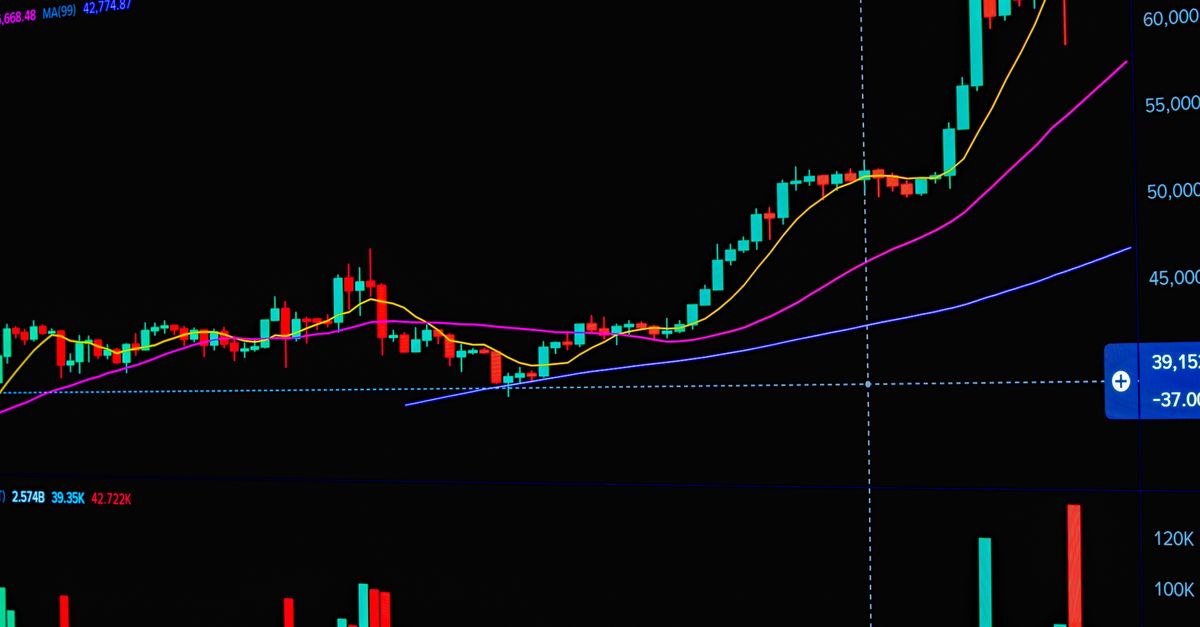
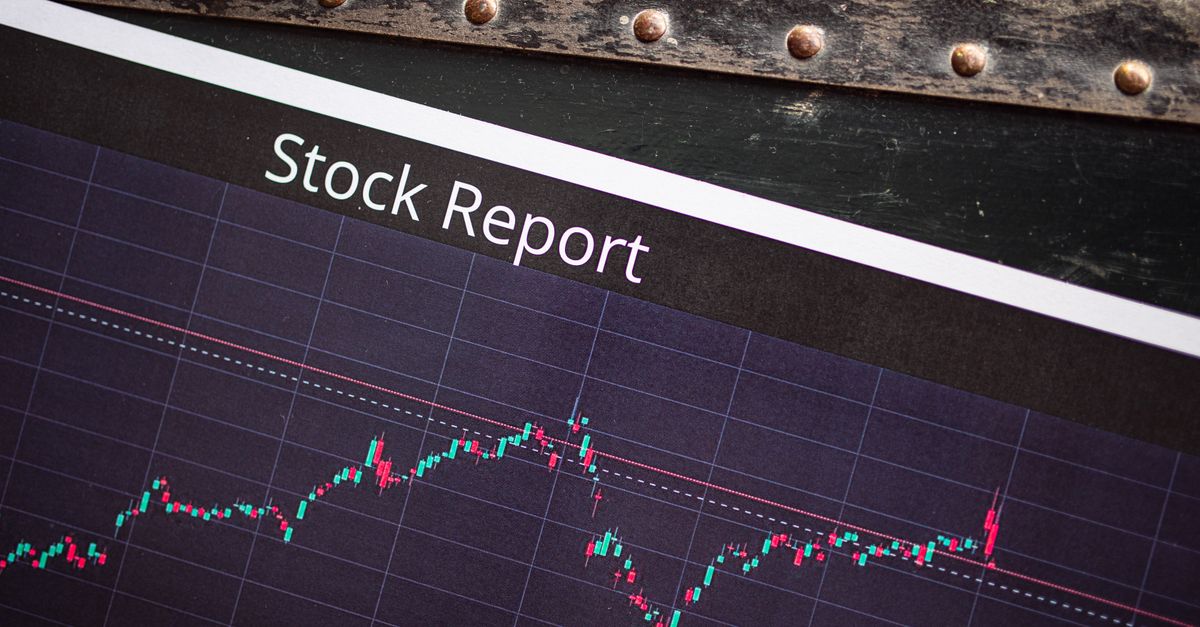
Many traders mistakenly believe they must be either fundamental analysts, relying solely on supply and demand, or technical analysts, ignoring fundamentals and making decisions based only on price action. This either-or thinking is both unnecessary and illogical. There is no rule that forces a trader to choose one approach and reject the other. If both methods offer useful insights, using them together can lead to better decisions than relying on either alone. Technical analysis focuses on price charts, patterns, indicators such as RSI, moving averages, and trend-following signals. It is well suited to identifying direction, momentum, and timing. Fundamental analysis, by contrast, examines the underlying economic drivers that give futures contracts their value. It helps answer why a market might move and how far it could go. These two perspectives address different questions. Technicals can tell you when a trend is accelerating or when a market is overbought, but they rarely tell you whether the trend has a solid economic foundation. Fundamentals can tell you that a market is undervalued or overvalued relative to supply and demand, but they seldom tell you when the market will agree. Combining the two does not mean using one to justify the other after the fact. It means letting each method inform different parts of the trading process. For instance, a trader might use fundamentals to establish a bullish or bearish bias and a price objective, then use technicals to time entries and exits. This division of labor is practical. The false dichotomy often arises from a desire for simplicity, but markets are complex. Acknowledging that both approaches have strengths and weaknesses is a more realistic starting point.