Trend Following and the Turtle Approach
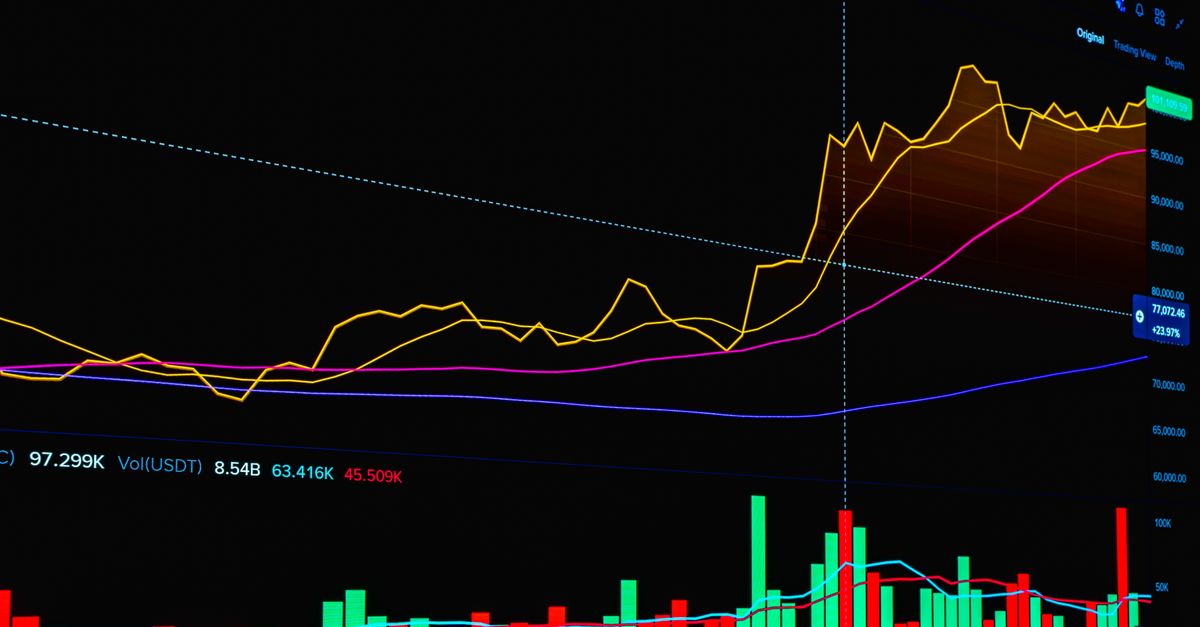
Trend following is one of the most widely studied trading styles, and the Turtle trading strategy is often used as a historical example of how it works. A trend follower attempts to capture large directional moves that unfold over months. The core idea is not to predict the future, but to identify when a market is already moving and to stay with that move while it persists. In the notes, trend followers are described as entering when the market is at historical highs or lows. If the market reverses and the reversal holds for several weeks, they exit. This entry and exit logic is simple in outline, yet difficult in practice. Traders have spent enormous effort developing methods to judge when a trend begins and ends. Different systems may use moving averages, breakout channels, volatility filters, or other tools. However, effective trend-following methods tend to share similar features: they define a trend objectively, enter in the direction of the move, and exit when the move appears to have ended. The Turtle approach belongs to this family. It is not a single magic indicator but a structured way to participate in large moves while controlling risk. Because major trends are relatively rare, the style can produce long quiet periods and frequent small losses. For that reason, trend following is often described as a strategy that is easy to understand but hard to follow. The next sections examine why that difficulty exists.
Why Trend Following Often Fails: Win Rates and Whipsaws
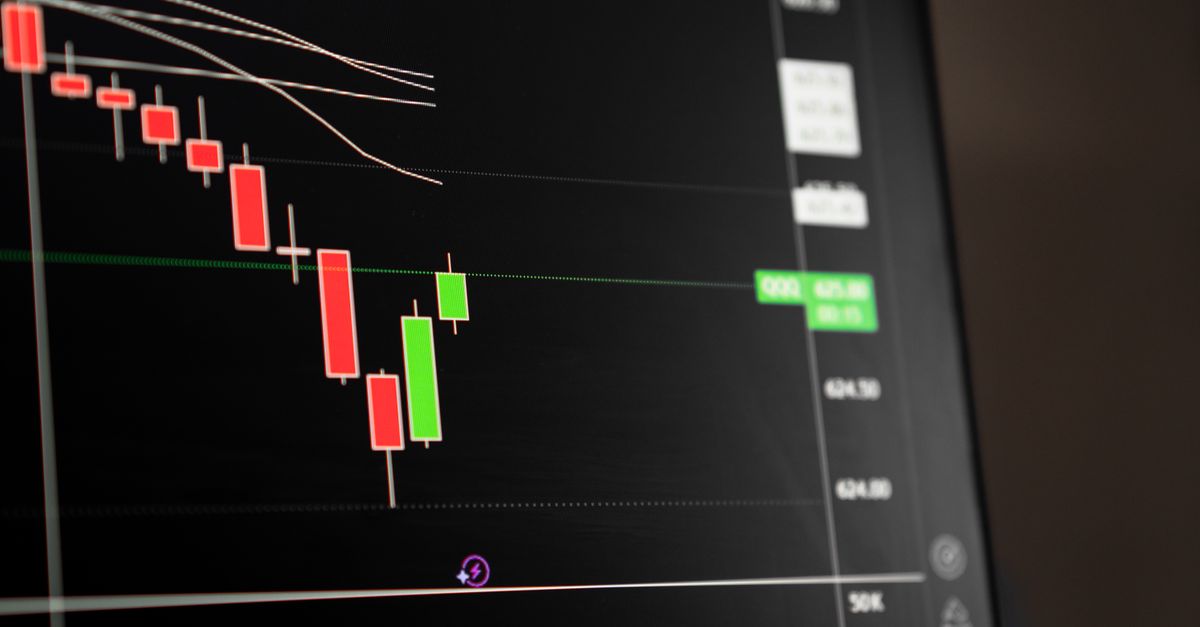
One of the most important features of trend following is its low win rate. The notes state that for a typical trend-following system, roughly 65% to 70% of trades may lose money. This surprises many new students, because a strategy with more losing trades than winning trades can still be profitable if the winners are much larger than the losers. The mechanism is asymmetric: many small losses occur when the market does not trend, and a few large gains occur when a strong trend develops. The challenge is that the losing trades often arrive in clusters. A trend-following system can fail in two different environments. First, it can fail when there is no trend at all. Prices may move sideways, producing repeated false breakouts. Each breakout may trigger an entry, only for the market to reverse and hit a stop. Second, it can fail when a trend reverses. Even if the system captures part of a move, the exit may come after a sharp countermove. The notes quote a common saying among Turtles and other trend followers: 'the trend is your friend until it ends.' That phrase captures the uncomfortable reality that the end of a trend can be violent. Whipsaws are not a sign that the method is broken; they are part of its normal cost structure. A trend follower accepts many small losses in exchange for the possibility of participating in a small number of very large moves. This profile is mathematically plausible but psychologically demanding, because the majority of decisions feel wrong.